Once this data is compromised, there’s a high possibility of losing rights to it forever. By gaining an understanding of how the black market for identity data works and steps businesses can take to reduce the chances, can prevent consumers from becoming a victim. 🔹 Protect Your Business with CyberNodAt CyberNod, we provide comprehensive Dark Web scanning and cybersecurity assessments to help businesses identify and mitigate risks. Don’t wait for a security breach—conduct a Dark Web scan today to safeguard your data. Visit CyberNod and take the first step toward a secure digital future. This structured process ensures security while maintaining the anonymity of both buyers and sellers, making Dark Web marketplaces a persistent challenge for cybersecurity enforcement.
The Minimum Cost Of A Brand New Identity
Individuals using fraudulent documents essentially bypass social and legal agreements that communities have established for collective well-being. Ethical concerns arise when one considers that fraudulent behaviors normalize deceit, creating an environment where dishonesty is increasingly accepted or justified, gradually eroding societal values. By consistently applying these comprehensive preventative measures, individuals, businesses, and governments can significantly reduce vulnerabilities to fake document fraud, safeguarding their identities and assets from exploitation. Law enforcement officers conducting routine traffic stops, public event checks, or investigations often detect counterfeit IDs through portable scanners and specialized software. Officers are trained to recognize physical inconsistencies like poor printing quality, incorrect fonts, mismatched data, or suspicious behavior. Additionally, verification against national databases can instantly identify fraudulent documents, resulting in immediate arrest or further investigation.
Renowned for its extensive inventory of financial data and sophisticated operating methods, Brian’s Club is a key player in the underground economy of financial cybercrime. There are many types of malicious tools and services being sold in the darknet markets, some of which we have already shared in part 2 of our cybercrime underground series. Figure 10 below shows a listing on a darknet market for a Ransomware and BTC stealer setup service where a seller provides the tools and also configures it for the buyer. The payment process in the darknet markets has followed the process which was used by the “Silk Road”, one of the first and best known darknet markets. Purchases in the darknet markets are typically made using virtual currencies like Bitcoin. An individual who wants to buy a product in the darknet market needs to credit his/her darknet market account with Bitcoins to make purchases in the darknet market.
FAQ – Dark Web Markets 2025 And Cybersecurity
Researchers from iProov’s biometric threat intelligence unit have uncovered what appears to be a simple yet simultaneously sophisticated identity protection bypass operation being implemented on the dark web. Describing the significant operation as “compromising identity verification systems through the systematic collection of genuine identity documents and images,” the iProov analysts said that this demonstrates how the nature of identity fraud is evolving. Given the explosive growth of these markets, organizations must prioritize proactive threat monitoring. Axis Intelligence provides dark web surveillance solutions that help businesses identify leaked credentials, fraud attempts, and malware risks before they escalate.
How Do Dark Markets Operate In Europe?
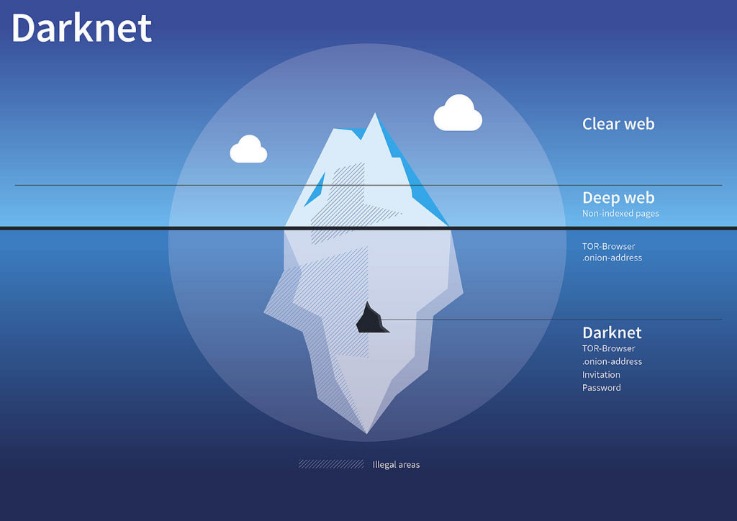
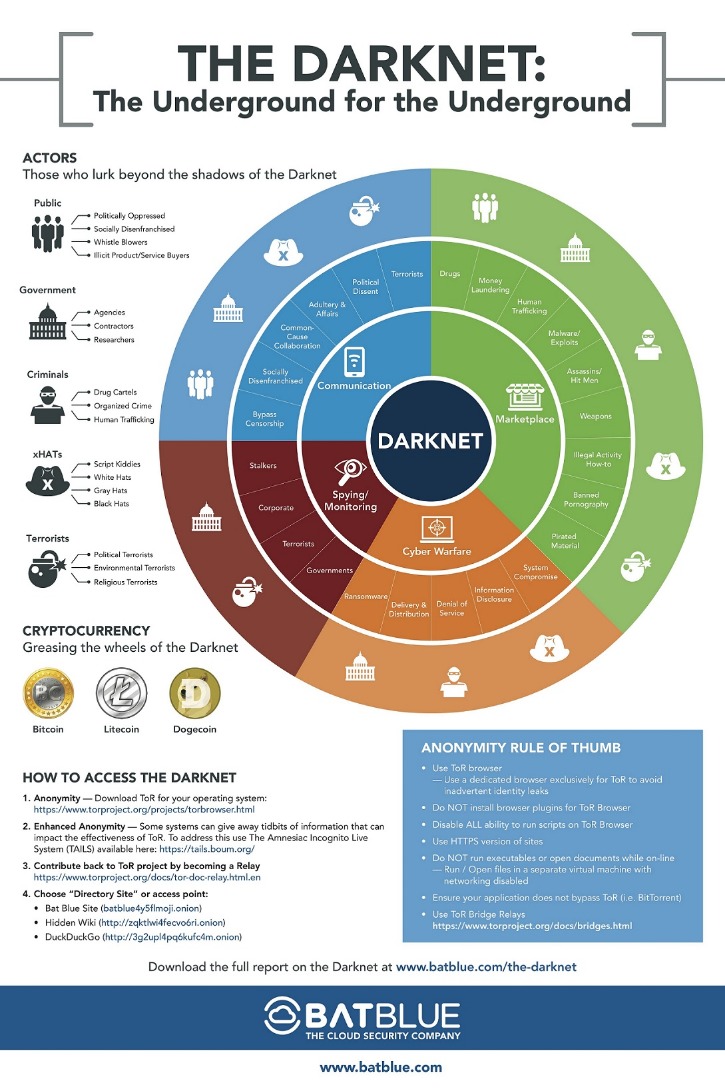
It is a network of virtual tunnels that allows people and groups to improve their privacy and security on the internet and to remain anonymous. This is the main reason why Tor became so successful (there are a few million users connected every day) and why it is also a perfect place for illegal activities. During the research 50 websites and blogs that produce forged identities were analysed, and 65 vendors were contacted through email. An important source of information was the forum ‘Complaintsboard.com’ where hundreds of posts and comments linked to the market were analysed. It’s one of the largest darknet markets that launched in 2022 and trades sensitive financial credential transactions.
- Creating a bank account starts at US$70, obtaining a new credit card starts at US$45, and the minimum cost of fixing credit history is US$200 — very low prices for some of the most important components of a person’s financial identity.
- The minimum cost of a new financial profile in Europe is the same as all other countries — US$70 for a new bank account, US$45 for a new credit card, and a minimum cost of US$200 to fix current credit rating.
- Perhaps, the figures can tell you what your personal information is worth when it lands on the dark web.
- Discover everything about what is a darknet market, how it works, security threats related to it, and learn how to protect your data online.
Alphabay Market
One particularly savvy forgery shop served promotional ads offering ID services to provide fake ID documents that matched any PII we might purchase. The goods on sale range from stolen credit card data and forged documents to illegal drugs, weapons, malware as a service, and hacking tools. Another type of listing which is quite regular in the darknet markets include but are not limited to templates of passports, driving licenses, SSNs, bank statements, utility bills, credit cards, tax statements and invoice receipts of different vendors. Figure 8 is an example of a sample of an Australian passport template which has the same passport ID details but has different photos of individuals. The seller of the below template also shares that any details in the passport including the photograph can be changed and it would still look legitimate. The seller provides full editable versions of the template in .psd format which is an Adobe Photoshop document format.
🕳️ Are Truly Decentralised Markets Coming?
In fact, WeTheNorth is more of a private club than an open market – something its operators want. Therefore, it’s clear that as long as there’s demand and supply of illegal products, the darknet markets are going nowhere anytime soon, no matter the number of times law enforcement takes them down. Getting a fake ID with all of this information helps to legitimize their new, false identity and support their fraudulent schemes–like applying for credit cards, loans, or other financial accounts. In fact, a report our team put together earlier this year highlights the fact that 55% of businesses in the United States say they received the submission of fake or modified physical documents in 2023.
Getting Into Darknet Markets
Despite the perceived anonymity of cryptocurrencies like Bitcoin, law enforcement leverages advanced blockchain analysis tools (such as Chainalysis and Elliptic) to track transactions from dark-web markets back to real-world identities. While some cryptocurrencies, such as Monero, are more challenging to trace due to enhanced privacy features, law enforcement agencies continuously develop methods to uncover the financial trails left by criminal actors. In conclusion, the pathway fake documents take to arrive on dark web markets is complex and multifaceted, involving cybercrime, sophisticated forgery techniques, and thriving digital black markets. Understanding these methods is crucial for law enforcement, cybersecurity professionals, and the general public in their efforts to mitigate these ongoing threats. On one end of the spectrum are low-quality “novelty IDs,” often cheaply produced and easily detectable through basic verification methods or visual inspection.
Transactions can be made using Bitcoin or Monero, and the platform keeps users in the loop through an official Telegram channel. It also requires users to verify their identity carefully to build trust with buyers focused on fraud. Launched in 2020, Cypher Marketplace sells fraudulent documents, stolen credit cards, fake IDs, and malware.
AlphaBay Market
Individuals often underestimate these dangers, focusing solely on short-term convenience or perceived anonymity. Fake documents, such as IDs, passports, and driver’s licenses, typically make their way onto the dark web through a combination of sophisticated cybercrime, insider threats, and specialized forgery operations. The dark web—accessible only through encrypted networks like Tor—acts as a shielded marketplace where anonymity protects both sellers and buyers, enabling the illicit trade to flourish largely unseen by authorities.
Creating a brand new financial profile is a popular service offered by many dark web marketplaces — anyone can renew their financial status — with brand new bank accounts, new credit cards, a new credit score, and even new PayPal accounts. There are also financial related services that can be purchased on the dark web, like fixing bad credit ratings or providing a counterfeit cash-injection in exchange for Bitcoin. The Dark Web presents significant cybersecurity risks for businesses, as stolen credentials, intellectual property, and sensitive data are frequently traded on illicit marketplaces.
Ways Agentic AI Is Transforming Cybersecurity
The darknet markets are a hotbed for selling stolen personal information. The stolen data can be just anything from full names, credit card details, passwords to social media accounts, bank account information, and social security details, among others. In 2019, two illegal marketplaces called Richlogs and Genesis were identified for selling “stolen fingerprints” of 60,000 online users, giving the holder complete access to the victim’s online presence or web activity. The fingerprint details were mainly acquired through malware attacks, which provided Genesis operators with account passwords and full browser history. It is not a surprise to see ‘credit cards’ being sold in the darknet markets as they are further used to commit fraud and are also used by cybercriminals to finance their requirements and make profit. There are multiple ways in which credit cards are stolen – some of which are phishing scams, ATM skimmers and also by people in the industry who have access to customer credit card information.