Cyble Research Team has correlated the leaked credit cards information details (and the BINs) with the respective banks, their location (country) as well their types, etc. The wave of recent departures has potentially been a trigger for UniCC’s retirement, as illicit actors see an opportunity in the turbulence to either run away with users’ funds or retire to avoid increased law enforcement attention. In July 2021 stolen credentials market Slilpp was seized by the FBI in collaboration with numerous European agencies after making almost $22 million in Bitcoin. The hackers were found selling payment cards information for $10 on average per card.
Other Services
Kingdom Market is a newer darknet market that has been around since April 2021 but was only recently vetted for listing on Dread, the pre-eminent forum for markets on the dark web. It features a unique site design unlike any other market yet is still intuitive and easy to use. Conspicuously absent are some preferred features, such as the lack of pre-order (direct pay) purchases, a multi-sig option for BTC payments, and forced PGP encryption for communications.
First Deep Web Black Markets
Verified by Visa is a service that prompts the cardholder for a one-time password whenever their card is used at participating stores. Comparitech researchers sifted through several illicit marketplaces on the dark web to find out how much our private information is worth. From our website you will find credit card dumps for every country in the world. Next, let’s explore how individuals can access the Dark Web safely, while minimizing personal risks and vulnerabilities. Next, we will explore the payment methods used on the Dark Web and the measures individuals can take to protect themselves during transactions. – Read feedback from experienced Dark Web users or trusted individuals who have had successful transactions with the vendor.
Real-World Examples: Data Breaches Feeding Dark Web Black Markets
Once your personal information hits the dark web, it’s nearly impossible to remove it. But while you can’t undo a data breach, you can take control of what happens next. From strengthening your digital habits to setting up fraud alerts and monitoring your accounts, small steps can make a big difference. There is some uncertainty about how many of the cards are actually still active and available for cybercriminals to use. Cyble researchers noted that threat actors claimed that 27 percent, according to a random sampling of 98 cards, are still active and can be used for illegal purchasing.
Inside The Cybercrime Economy: How Threat Actors Operate Like Businesses
Awareness, vigilance, and proactive cybersecurity practices remain essential for navigating this environment safely. An individual’s personal information can be worth more than $1,000 on the dark web amid a spike in cyber crime and identity fraud, according to a new study by cybersecurity researcher Privacy Affairs. Experience Flare for yourself and see why Flare is used by organization’s including federal law enforcement, Fortune 50, financial institutions, and software startups. Dark web posts and offers of this size are usually scams, so the massive dump of cards could easily be fake data or recycled data from old dumps repackaged under a new name. The “special event” offer was first spotted Friday by Italian security researchers at D3Lab, who monitors carding sites on the dark web.
If you have been the victim of a company’s data breach, there could be fullz with your data available for sale on the Internet. Use of fullz presents a real business risk because this data gives criminals enough information to represent themselves as the identity theft victim online. And if your business is subject to strict eKYL/AML protocols, you could be liable for failing to identify the illegitimate users.

These sites cater to cybercriminals seeking valuable data, such as credit card numbers, login credentials, and personal information. “Fullz” is a slang term used on the darkweb by individuals selling information obtained from data breaches. Fullz indicates they have all the information on a particular individual – PII, bank account details, etc. meaning that the purchaser can use the fullz to commit deeper levels of fraud. Credit cards, Paypal accounts, and fullz are the most popular types of stolen information traded on the dark web, but they’re far from the only data worth stealing. Sales of passports, driver’s licenses, frequent flyer miles, streaming accounts, dating profiles, social media accounts, bank accounts, and debit cards are also common, but not nearly as popular. Credit card details used for online fraud are cheaper and can be sent in a text message.
The Typologies Report
Moreover, the normalization of digital black markets undermines trust in online commerce. As these networks grow, they complicate cybersecurity efforts and make digital transactions riskier for legitimate users. CVV2 shops exemplify how criminal enterprises can adopt professionalized, structured frameworks, mimicking legitimate business models while operating outside the law.
Shuttered Dark Web Marketplaces
- Unfortunately it isn’t always possible to know with authority the origin of a card, as many shops and markets do not list the country of origin.
- Also, the researchers discovered that debit cards were more common than credit cards, which is particularly worrisome since debit cards don’t have the same level of protections as credit cards.
- Security researchers have been monitoring forums within the cybercriminal underworld to investigate the leading markets operating in 2024.
- Loan and new account fraud with banks, credit unions, car dealerships, and other financing organizations are on the rise.
- The cards were published on an underground card-selling market, AllWorld.Cards, and stolen between 2018 and 2019, according to info posted on the forum.
Julia Kagan is a financial/consumer journalist and former senior editor, personal finance, of Investopedia. We’re back with another video in our Webz Insider video series on everything web data. The Abacus Market links to the new dark web marketplace sections and took over much of the vacuum left by the AlphaBay takedown. As of 2020, nearly 57% of the dark web was estimated to contain illegal content, including violence and extremist platforms. We work with businesses of all sizes to provide scalable solutions to their identity verification challenges.
We also observed this customer satisfaction among those who became B1ack’s buyers and visitors to their shop. UniCC has been active since 2013, and it has received cryptocurrency payments over that period totalling $358 million across Bitcoin, Litecoin, Ether and Dash. Tens of thousands of new cards were listed for sale on the market each day, and it was known for having many different vendors – with the fierce competition keeping prices relatively low. Crunching the available data, NordVPN says that of the 4,481,379 stolen cards, the maximum (1,561,739) belonged to US citizens. By comparison, only 134,607 cards for sale on the dark web belonged to UK residents. This latest pack is the fourth credit card dump the carding market has released for free since October 2022, with the previous leaks counting 1.22 million, 2 million, and 230,000 cards.
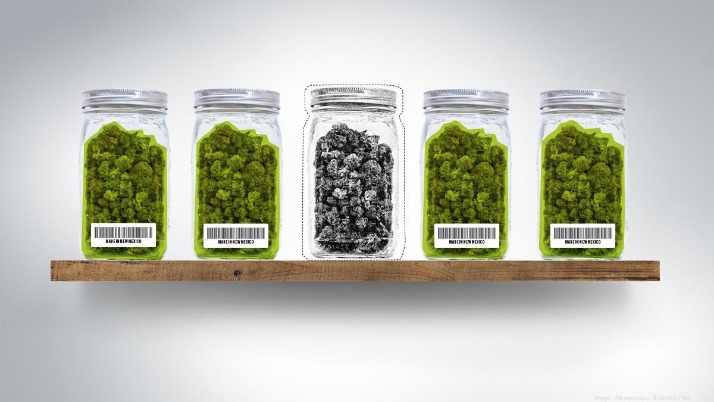
Classic darknet markets sell diverse illegal goods; data stores focus on leaked or stolen data like credentials, databases, and ID records. The first category includes classic marketplaces, which serve as one-stop shops for a wide range of illegal goods. These platforms sell everything from drugs and fake IDs to weapons and hacking tools, resembling a digital black-market bazaar.

Most email dumps are aggregations and collections of other email breaches, so the quality standards are common—we get what we pay for. Guides to cashing out these transfers without alerting the authorities often accompany the purchase of payment processing accounts, another commonly listed item. PayPal account details are easily the most abundant items listed on the Dark Web marketplace. Next, we dive into the detailed trends for eight categories of fake, hacked, or stolen data and physical documents. Here we discuss cryptoasset compliance, blockchain analysis, financial crime, sanctions regulation, and how Elliptic supports our crypto business and financial services customers with solutions.