These hidden networks intentionally conceal IP addresses and encrypt communications through multiple layers of routing. Companies regularly recruit professionals skilled in Deep Web vs Dark Web monitoring to ensure proactive security strategies. The Deep Web supports countless legitimate operations across industries.
Is It Illegal To Access The Dark Web?
Unlike the dark web, which requires specialized browsers, deep web content often exists on the regular internet but remains inaccessible without proper authentication or direct links. It requires specific software and knowledge to access, creating a barrier that keeps casual internet users away. There are possible chances that you all must have heard of the Deep web, Dark web, and Darknet, and sometimes people get confused while differentiating between them. Did you know that we can only access 4% of the resources from some of the most popular search engines like Google, Bing, etc. The rest of 96% of the resources are not accessible to all and require additional tools to access those contents. It enables people to host websites selling illegally-obtained credit cards and social security numbers, counterfeit money, forged documents, weapons, and drugs and is even used for criminal activities.
For example, in 2016, investigative news outlet ProPublica launched a hidden version of its website on the dark web to provide a secure and anonymous way for readers to access its content. This initiative aimed to protect the privacy of individuals in repressive regimes or those concerned about surveillance, allowing them to read news without exposing their identity. The Dark Web is like the dark scary part of the web that holds many secrets – both good and bad.
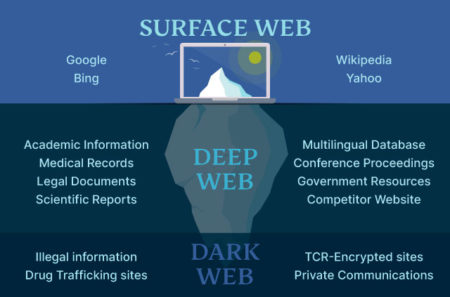
Deep Web Vs Dark Web Vs Surface Web
It hosts .onion websites that require having the Tor Browser to access. That’s right, not only is the dark web not accessible via search engines, it’s not even enough to have a link and password — you need a special browser to access it. The deep web refers to any part of the internet that is not indexed by traditional search engines like Google or Bing. This includes content that is behind paywalls, logins, or dynamic queries—essentially anything you can’t access without credentials or a direct URL. Often referred to as Invisible Internet, the Deep Web is a gigantic vault storing colossal amounts of data, evading traditional search engines.
The Deep Web Is Generally Safer And More Secure Than The Dark Web

And the only way to access the websites in this dark place is to use the anonymizing dark web browser called Tor. Tor has a 3 layer proxy node structure, like the layers of an onion (hence the onion sites!). All of your web page requests on the Dark Web are first connected at random to one of the entry nodes, then bounced off a middle node, and then finally pushed out through an exit node.
Most of us interact with the Deep Web daily—every time we log into email or work on a company intranet. Despite its “hidden” nature, the Deep Web is essential for preserving data confidentiality and ensuring that private information remains secure. It’s a critical component of the internet’s infrastructure, distinct from the often-overhyped realm of the Dark Web, which occupies just a small corner of this far larger digital expanse. The World Wide Web is a service that runs on internet infrastructure. Specifically, it’s the network of websites hosted on web servers, connected to the internet.

These include homes, business centers, private clubs, cinemas, and so on. Usually, no publicly available map will show you what’s going on inside these places. The risks of accessing the deep web vs. the dark web may be similar but not exactly the same. Think about how many people will see the Gmail login screen on the clear net and how many individual Gmail accounts there are on the deep web. Now apply that logic to everything else, and you can start to grasp the difference in scale.
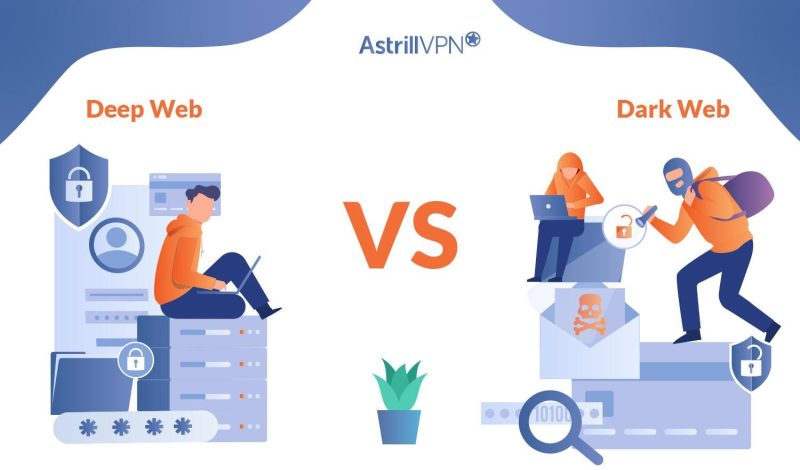
For example, sites like Netflix are reachable from search engines, but the videos hosted on the site are only accessible to users who have created an account and paid a subscription fee. The terms “Deep Web” and “Dark Web” are often used interchangeably, but they are not the same. The Deep Web refers to parts of the internet not indexed by search engines, like password-protected sites or dynamic web pages. The Dark Web is a small portion of the Deep Web that can only be accessed with special software like Tor. The deep web refers to parts of the internet not indexed by search engines.
What Is Tor Project?
If you want to visit the deep web — even if it’s just to check out your dental bill or the balance in your online bank account —equip your device with trusted security software and keep it up to date. Unlike standard websites, dark web sites use encryption technologies like The Onion Router (Tor) to mask user identity and activity. The Dark Web is a concealed segment of the internet, accessible only through anonymizing software like Tor Browser, offering high anonymity for users like whistleblowers or, unfortunately, cybercriminals. Popularly known as the visible web or indexed web is a unit of the WWW (World Wide Web) that is open for general usage and can be accessible by anyone around the world. To access this, one must have a working Internet connection and will also require a search engine (such as Google, Bing, etc.) to access the content.
Data Sheets
Beyond the paywalled and pay-to-access content, the deep web has crawlable web pages that aren’t indexed because the owners have blocked search engine crawlers from accessing them. This includes websites in the design stage and draft blogs in content management systems such as WordPress. The Invisible Web is somewhat like hidden kingdoms online that remain elusive to mainstream search elements such as Google. It comprises resources safeguarded by subscription gates, ciphered content, secretive documentation, and more, which are not readily accessible on the web.
Spiceworks Community Digest: Big Risk In A Tiny Package
Dark Web sites and services are only accessible through purpose-built software, mainly anonymizing browsers. Tor is the go-to dark web browser, but other viable options like Brave, Epic and SRWare Iron exist. Valentina Bravo is a managing editor at Cloudwards with a rich background in technology topics, particularly productivity tools and online security. She holds a Bachelor’s degree in Liberal Arts and a triple Master’s degree in Literary and Cultural Studies. Outside of work, she is a travel enthusiast, music lover and avid learner interested in global cultures, spirituality, psychology and neuroscience.
It’s important to note that Tor runs fine on its own, and by using a VPN additionally, we are just adding another layer of security and hiding the very fact that you’re using Tor. So you become a subject of interest by just using it, even if you browse the open web with it. These operating systems send every outgoing request, not just the web browsing ones, through the Tor protocol, ensuring robust protection.
While it can provide anonymity and privacy for those who need it, it also comes with significant risks. It’s important to approach the Dark Web with caution, use proper security measures, and always be aware of the legal and ethical implications of your actions. Ultimately, the Dark Web is not inherently bad, but it is a place where users must be careful about what they engage with and how they protect their identity. The main application of the deep web is to restrict access to information and data. For example, hospitals hide medical records to protect user privacy, while financial institutions use password protection to prevent unauthorized access. Educational institutions and government institutions use firewalls and intranets to keep the public and unauthorized users at bay.
Search engines like Google can’t access the Deep Web and Dark Web simply because their content is not indexed. This lack of indexing of its content makes these layers of the internet less easily accessible and harder to navigate than the Surface Web. On the other hand, the dark web relies on anonymity and encryption to function.
- Other content on the Deep Web include private files like medical records, legal documents, and sites that have blocked search engine crawlers.
- This hides your online activity and location, protecting your privacy and anonymity.
- The latter includes internal networks for governments, educational facilities, and corporations.
- Generally, when we search for anything, we get thousands of articles, videos, and images, which gives us the impression that the surface web is massive.
- People often use the dark web to keep their online activity anonymous.
- Researchers generally use databases like JSTOR for articles, while healthcare providers maintain private information regarding patients in secure systems.
This structure benefits data protection, as financial records or research data stay confidential, but it complicates access for authorized parties. Lost credentials or overly restrictive systems can hinder legitimate use, a trade-off for security. Most deep web content is legal, though some illegal content, like pirated movies, exists. The main purpose of the deep web is to protect private information. The dark web serves as the primary distribution channel for cybercriminal enterprises.
The people running the site don’t want anyone to know who they are and they certainly don’t want just anyone visiting their sites. Understanding their differences is essential for navigating the web safely and responsibly. The deep web and dark web contain illegal and dangerous content, so proceed with caution. Stick to reputable sites and avoid clicking suspicious links or downloading anything.