Buyers can purchase dumps for a few dollars each, but doing so carries significant risks. It is important to understand the dangers of the Dark Web and to avoid participating in illegal activities. One of the most prominent aspects of the Dark Web is its reputation as a marketplace for illegal goods and services.
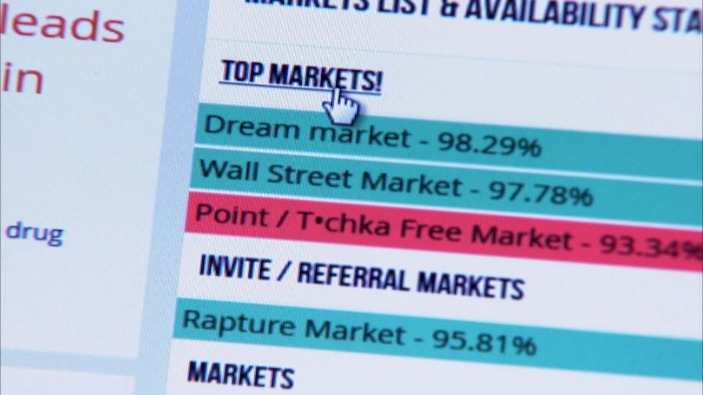
Dream Market: A Prominent Name In The Darknet
The data only includes marketplaces with more than one vendor and more than 100 stolen data listings. We begin with a review of digital marketplaces on the darkweb with a focus on their maturation from more centralized to decentralized illicit economies. We then connect this work with research on the impact of interdictions on darknet markets, theoretically grounding our discussion in rational choice and social learning theories.
- While it varies from market to market, most darknet markets charge vendors fees to list their products or services.
- Despite the user-friendly and familiar interface of the darknet markets, it is still a place where many criminals find their victims.
- These charges were essential for maintaining a secure and reliable marketplace, deterring fraudulent activities, and funding continuous improvements to the platform.
- These fees were typically paid in cryptocurrency, adding an extra layer of anonymity to the transactions.
- These markets operate on the Tor network, allowing users to browse anonymously and securely.
Transaction Fees
Berlusconi Market, a market that shot up in popularity through 2019, ceased operations after three of the market’s admins were arrested in Italy. It’s unclear whether the site itself was seized, as the press release from Italy’s Guardia di Finanza merely stated the arrest of its’ admins. It has always allowed some level of anonymous sharing between computer users with taboo or criminal interests.
What Is Dream Market?
But with the increase in exit scams by darknet markets, the trust of users has been shaken. While some darknet markets may charge vendors fees to list their products or take a percentage of their sales, the specifics vary from platform to platform. Dream Market, for example, does not charge vendors fees to create listings or make sales. Instead, the market takes a small commission on each transaction, typically around 4%. Darknet markets like Dream Market play a significant role in facilitating illegal activities on the internet.

Specifics Of Dream Market Fees
Since I can’t fully account for stratification within the groups that I’m not accounting for, I take an average of scores over multiple evaluations. However, some markets may offer refunds in certain situations, such as if a sale is cancelled or if a vendor’s account is terminated. And in the subreddits dedicated to AlphaBay, the tone has gone from worried to grim.
They are responsible for handling disputes, ensuring vendor compliance, and implementing security measures to protect users’ identities. In the vast and mysterious realm of the darknet, where anonymity prevails and illicit activities thrive, one might wonder how its various markets sustain themselves. Among these notorious darknet markets, Dream Market has gained significant attention. A darknet market is a website that facilitates the sale and exchange of illicit goods and services on the dark web exclusively accessible via the Tor network! We considered the entire transaction data of 31 dark marketplaces (see Supplementary Information Section S2) between June 18, 2011, and July 24, 2019.
The Many Dangers Of Using Dark Web Marketplaces
In the future, we will also describe fraud travel vendors operating on Russian language part of the Internet. Part of them doesn’t hide in Darknet but sells their services on fraudsters’ forums and markets in Clearnet. Advertised as “the most advanced darknet market ever,” OMG primarily provides illegal drugs, but also offers products like hacking utilities, banking information, and more. It first became active in early July 2020, with deposit volumes so low it appeared to be less of a darknet market and more a personal operation. However, nearly as soon as Hydra shut down, OMG began seeing high inflows for the first time, more than half of which came from Hydra counterparties.
- For instance, elevated levels of vendor verification or access to premium listings might require users to pay a fee.
- Overall, while vendors on darknet markets like Dream may not be charged fees for listing their products, they will still need to pay a commission on each sale.
- To me, this is the worst part of the opioid epidemic; is that these major drug manufacturers let the genie loose.
- This is the new breed of dark net markets—one that will make the next big international takedown much harder to pull off.
- The DEA agents on Engstrom’s trail, meanwhile, used toll records to determine when Engstrom visited BitLiquid on his phone and monitored the BitLiquid wallet for activity in those time frames.
What Are Darknet Market Vendor Fees?
Declining trust has caused the cyber criminal community to turn its back on Nightmare. Tom Winter is a New York-based correspondent covering crime, courts, terrorism and financial fraud on the East Coast for the NBC News Investigative Unit. “This prosecution is the first to attack the infrastructure supporting the darknet itself,” Brady said.
Engstrom, who faces a minimum of 10 years in federal prison if convicted, later told pretrial services that he owned somewhere between $8 million and $10 million in cryptocurrency. Only, these industrywide best practices will make illegal online trades even harder to track for law enforcement. In its wake, the US has also sanctioned several mixers and risky exchanges that handled stolen funds and which had exposure to Hydra wallets. This, and the timing of Dream Market’s closure, has led some darknet market consumers to believe that Dream Market has been compromised by law enforcement. In the wake of recent headlines announcing actions against Hydra Marketplace by the U.S. and German governments, darknet markets have made an ironic entrance into the spotlight.
These markets operate on the Tor network, allowing users to browse anonymously and securely. Another reason darknet markets charge fees is to discourage low-quality or fraudulent vendors from joining the marketplace. By charging a fee, marketplaces can deter vendors who are not serious about their business or who are looking to scam buyers. This helps to maintain the integrity of the marketplace and protect buyers from fraud. In summary, understanding how darknet markets like Dream charge vendors fees provides insight into the operational dynamics of these platforms.
The growing consensus is that admins have shut down the site, taking millions of dollars in crypto-currency with them in what could possibly be the largest “exit scam” in history. That means paying off debt, especially revolving debt on credit cards and lines of credit, which can help increase your credit score. Mortgage lenders typically want to see a DTI of 43% or less, and with a DTI of less than 36%, you’ll be in an even better position to get a low rate. More time also means the ability to keep saving for a down payment, which could make your offer more attractive to sellers. In 2023, the typical first-time buyer made a down payment of 8%, the highest since 1997, according to NAR’s 2023 Profile of Home Buyers and Sellers. On a $389,800 home, that’s $31,184—and in very competitive areas, a down payment closer to 20% is desirable.
The answer to this question is not a simple yes or no, as it depends on the specific marketplace and the type of transaction being made. While darknet markets like Dream may charge for their services, these fees are typically necessary to maintain a secure and reliable platform for users to conduct illicit transactions. Users should always be cautious when using these markets and take steps to protect their identity and privacy while browsing. Darknet markets operate similarly to traditional e-commerce sites, with vendors listing their products and buyers purchasing them using cryptocurrencies such as Bitcoin.
Air Miles On Sale On The Dark Web At A Fraction Of The Cost
As mentioned earlier, darknet markets like Dream typically charge vendors fees that range from 2% to 5% of the total sale price. However, the exact fee can vary depending on the market and the specific terms of the vendor’s account. For example, some markets may charge a higher fee for vendors who sell high-volume or high-value items. Additionally, some markets may offer discounts or waivers on fees for vendors who meet certain criteria, such as having a high rating or a long history of sales on the market. These fees are typically a percentage of the total transaction value and are used to cover the costs of running the market.
Product descriptions are an important feature in the successful marketization of goods, whereas product images are predominantly used as an aspect of recognisability and feature of the vendor’s identity. Trading illicit drugs on cryptomarkets differs in many ways from material retail markets. This paper aims to contribute to existing studies on pricing by studying the relationship between price changes in relation to changes in nominal value of the cryptocurrency.
Instead of sticking to the big players, dark web dwellers are now following smaller, speciality vendors to get their malware, fraudulent data and drugs. We document the main features of Hydra such as dead-drop delivery, feedback and reputation system, escrow, and dispute resolution. Using data scraped from the platform, we quantitatively examine the scale and the structure of the marketplace. The dead-drop delivery system used on Hydra was expensive, as the courier costs comprised a substantial proportion of the sale price of drugs on Hydra. While many darknet markets do not have membership fees, some might require buyers to pay a fee to access premium features or exclusive listings.