To get on the dark web, you need a browser built for the job, and the best in the business is Tor. Tor is a browser engineered for extra security and privacy, and can be used to navigate the normal, surface web as well as the dark web. It blocks trackers, prevents user fingerprinting, encrypts data, and reroutes your browsing so no one can see where in the world you are.
Regularly Update Your Software
You can access these websites without worrying about someone snooping on a Tor exit node, offering more private browsing of what is known as the deep web. The most common tool for accessing the Dark Web is Tor (The Onion Router). Tor provides anonymity through a process known as “onion routing,” where internet traffic is encrypted and passed through multiple network nodes. Each node decrypts just enough data to know the next destination but not the origin, making tracing the connection back to the user exceptionally difficult.
Browse Privately
- If you want to improve your security further, you could also use a VPN at the same time as Tor.
- Governments also often set up “honeypot” sites on the dark web, which mimic illegal services and wait for users to enter their info.
- Get the latest in privacy news, tips, tricks, and security guides to level-up your digital security.
- Good starting points are the Onion Directory and the Hidden Wiki.
- It’s important to discern the difference between the technology of the Dark Web and the activities that occur within it.
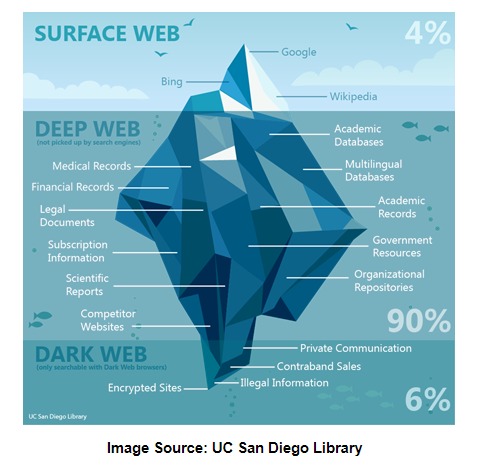
- Deep web refers to anything on the internet that is not indexed by and, therefore, accessible via a search engine like Google.
Just like when navigating the surface web, the dark web has similar risks that should be taken into account when protecting your personal information. The names of dark web pages are unusual, too, and can make it difficult to find them. Instead of site names that are easy to memorize, such as CNN.com or Google.com, Tor sites are made up of a random series of numbers and letters.
Know How Dark Web Websites Work
Tor Over VPN servers are identified with an onion symbol and found in the country list. Website addresses that end in “.onion” aren’t like normal domain names, and you can’t access them with a normal web browser. Addresses that end with “.onion” point to Tor hidden services on the deep web. Lots of deep web sites contain very nasty things, and many of them are likely scams or illegal. You should probably avoid freely browsing .onion sites—instead, use this only if you have a specific site you want to access for a good reason. The dark web is a hidden part of the internet that requires tools like Tor to access.
Configure Tor For Privacy

Tor traffic is decrypted at the exit node, which opens a vulnerability for malicious actors to inject malware or intercept traffic. Hence, it’s advisable not to download files via Tor, especially from unknown sources. While often used interchangeably, Tor and Tor Browser aren’t the same thing.
Should You Use A VPN And Tor?
This is not what you want when also using the Tor network, as the two in conjunction will be painfully slow. PrivateVPN allows torrenting and has dedicated servers in its home country for just that purpose. Torrenters can also make use of port forwarding, which allows connections to more peers in a torrent swarm.

How Do I Find onion Websites Safely?
The dark web, an even more puzzling sublayer, exists within this hidden world. It’s designed as an environment to elude detection, where site owners and visitors hide their identities. And while the dark web isn’t synonymous with illicit activities, it’s undeniably the breeding ground for the internet’s black markets, hacker forums, malware vendors, and other illegal activity. If you want to be extra safe, routing your connection through a VPN and then accessing the dark web using the Tor browser provides more security than Tor alone. You can also use the Tails operating system to further protect yourself.
How To Enter Deep Web: Step-by-Step Guide
In other words, these are pages that aren’t indexed and therefore can’t be found by a typical search engine. While tools like the Tor Browser offer strong anonymity, things like downloading files, enabling JavaScript, or logging into personal accounts can expose your identity. Using a VPN and following safe practices greatly reduces the risk of being tracked. If you must use your primary device, take extra precautions, like regularly backing up important files and using antivirus software to monitor for malware. The goal is to minimize any potential damage if you accidentally stumble upon harmful content or download something malicious. Never sign in to any account linked to your real identity (email, social media, banking, etc.) while browsing the dark web.
While the Tor network was not created for illegal activities, as it’s harder to trace websites to their physical location, cybercriminals have also adopted it to host their websites. These sites are only accessible over the Tor network and are commonly used for privacy and anonymity. The Tor Browser also features many built-in protections that protect against tracking and fingerprinting.
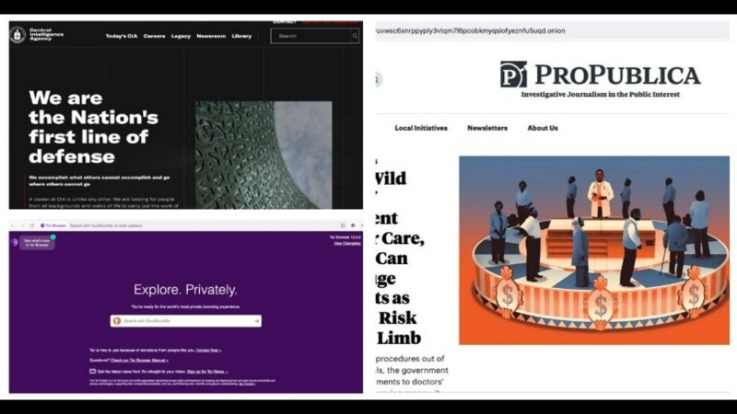
Accessing the dark web on a mobile device requires the Tor Browser, which lets you visit .onion sites only accessible through its network. But there are a few things you need to know — especially on iOS, where the Tor Browser isn’t available. Yes, we recommend that you always use a VPN if you’re accessing the dark web on your phone. The dark web is packed with potentially harmful content that puts you at risk, so a VPN is an important tool in keeping your identity and personal information safe. Therefore, it’s best to use a VPN no matter the personal device you’re using. PrivateVPN is another relatively unusual provider in that it offers the VPN Over Tor configuration.
The Future Of Anonymity And Privacy Tools
Traffic is relayed through three nodes each time it passes through the Tor network. If your personal information has been leaked on the dark web, your risk of identity theft and financial fraud significantly increases. This is why many people prefer an identity theft protection service and a financial and credit fraud protection solution.
Advocacy groups are also reaping the advantages of the darknet because, here, the term of censorship is as popular as HTTPS. Sure, it’s not as secure as the clear web version, but it’s there and totally legal to use. Hidden Facebook is hardly the only social media client on the dark web. People mostly use it for covert communication, anonymous tips submission, and stuff like that.
Remember, the Tor browser connects to the internet differently than regular browsers in an attempt to increase your anonymity online. These URLs are usually very long, consisting of a random jumble of letters and numbers. Though you likely won’t remember the addresses of onion websites, you can find these URLs on various websites on the internet.