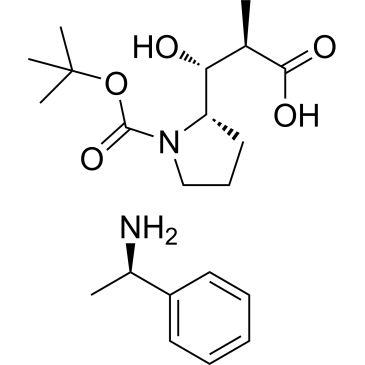
Two different pathways that lead to the chemical synthesis of PEA have been established in the 40s and 50s of the past century. First, PEA is produced by reduction of a nitrile into an amine (Robinson & Snyder, 1955). Specifically, 1 kg of benzyl cyanide is mixed with 1 tablespoon of the Raney-Nickel catalyst in a calorimeter bomb. The formation of secondary amines in this reaction is reduced by the addition of ammonia. The reaction occurs at 13.9 Mpa and 130°C under hydrogen, the cooled down liquid is removed from the catalyst by filtration.
Phenylethylamine For ADHD
From its role in mood regulation to its potential cognitive benefits and therapeutic applications, PEA continues to captivate researchers and health enthusiasts alike. For those seeking a more concentrated dose, synthetic PEA supplements are available. These typically come in the form of capsules or powders and are often marketed as mood enhancers or cognitive boosters. Some supplements combine PEA with other compounds that inhibit its breakdown, potentially prolonging its effects. Street names for some phenethylamines include ‘Europa’ for 2C-E; ‘4-FMP’, ‘para-fluoroamphetamine’, ‘RDJ’ for 4-FA; and ‘4-MMA’, ‘Methyl-MA’ for PMMA. Phenethylamines are usually available in form of pills, but FLY compounds are commonly sold in powder form, while oral doses (on a slip of blotter paper) are usually available for ‘D substances’.
Mechanisms Of Action: How Phenylethylamine Influences Cognitive Function
This review represents a concise, central summary of relevant 2-phenethylamine-based leads and research hits, which spans receptors and their corresponding therapeutic indications. Jensen et al. developed 25CN-NBOH (135) (Figure 17a) as a result of halide substitution by the cyano moiety, displaying high-picomolar/low-nanomolar binding affinities (competition binding assays with 3Hketanserin) and functional potencies at 5-HT2A receptor. Leth-Petersen et al. 199 designed a library of 25B-NBOMe analogues 136, such as 137 or 138 in the search of decreasing intrinsic clearance (Figure 17b). Despite the authors’ efforts to decrease intrinsic clearance by lipophilicity reduction, no correlation was found, although several 5-HT2 potent compounds were synthesized. Nichols et al. 200 explored the impact of methoxy and bromo scanning along the benzyl ring of 25I-NBOMe (139).
1 C Elegans Husbandry And Transgenic Animals
- Interestingly, PEA has also been studied for its potential effects on appetite and weight management.
- If you are looking for a supplement that promotes healthy cognitive function, energy, and mood, then Powdermint Phenylethylamine HCl (Pea) Powder is a good option.
- Some researchers have investigated whether PEA supplementation could help alleviate some of the motor and non-motor symptoms of Parkinson’s, although this remains an area of ongoing study.
- It’s worth noting, however, that the PEA in food is largely metabolized before it reaches the brain, so the mood-boosting effects of these foods may be due to other compounds or simply the enjoyment of eating them.
Lately, PEA supplements have been drawing attention as a natural substitute to prescribed drugs for ailments such as Attention Deficit Hyperactivity Disorder (ADHD) and depression. Later, animals were trained to discriminate racemic α-ET from vehicle,113 and greater than one year of training was required to establish the stimulus cue (see comments in Section 10 on training animals to discriminate MDA from vehicle). Α-ET stimulus generalization occurred to PMMA and DOM, and partial generalization was seen with (+)amphetamine (Table 8).

Phenylethylamine In The Brain: Effects And Functions Of The ‘Love Chemical’
When harnessed correctly, PEA aligns with various brain optimization strategies supported by scientific evidence. One key potential area of study involves understanding how PEA may complement existing nootropic aids, such as lions mane medicinal mushrooms, cordyceps mushroom formulations, and reishi mushroom blends. Research could analyze how synergistic combinations, like mushroom cocoa with lions mane and cordyceps, influence cognitive resilience and focus when paired with PEA. Exploring whether combining PEA with adaptogenic compounds or neurotransmitter modulators like theanine nasal spray GABA and kanna nasal spray theanine may enhance its neurochemical effects warrants further scientific inquiry. The unique synergy between phenylethylamine and other adaptogenic ingredients, such as NAD nasal spray or kanna nasal spray, demonstrates its potential as a holistic aid for blissful mood support and mental clarity. This compound continues to garner scientific interest for its ability to harmonize emotional and cognitive functions while providing energy-supportive properties.
The body breaks down PEA supplements quickly and they pass through the blood-brain barrier easily to give users a much-needed boost to the central nervous system. The supplement is available in salt, powder and tablet form for easy dosing and consumption. Since the chemical is short-lived, opting for a slow release is typically the best way to prolong the effects (x, x). The potential of PEA in improving mental health and cognitive performance is an exciting frontier in neuroscience research.
10 Galectin-1 Receptor
In vegetables, high levels of tyramine were only seen in brine, unless the vegetables were contaminated prior to processing or the temperature and storage time were extreme (Moret et al., 2005). The importance of PEA in brain function and dopamine regulation cannot be overstated. Its ability to influence our mood, motivation, and cognitive performance underscores the delicate balance of chemicals that govern our mental states. As we continue to unravel the mysteries of the brain, PEA serves as a prime example of how even small molecules can have profound effects on our overall well-being.
What Is The Neurotransmitter PEA? High And Low Values Lab Results Explained
Chocolate, cheese, and several fermented foods contain trace levels of the monoamine alkaloid phenylethylamine (PEA), a naturally occurring substance. Additionally, the human body spontaneously makes it from the amino acid phenylalanine. It belongs to the class of trace amines, which are biogenic amines with low molecular weights. PEA is structurally related to amphetamines and neurotransmitters such as dopamine, norepinephrine, and serotonin. The phenyethylamine moiety has risen from humble beginnings as a presumed metabolic by-product to serve as a noteworthy scaffold for therapeutically useful agents, and for an even greater number of abused substances. PEA (1) even has its own, although shared, receptor – TAAR1 – and seems to play a role as a neuromodulator.
- This fancy term simply means removing a carboxyl group from the amino acid.
- When harnessed correctly, PEA aligns with various brain optimization strategies supported by scientific evidence.
- Based on recent research, it seems to defend against depression, poor attention span and even weight gain, especially when coupled with other lifestyle changes and treatments.
- Phenylethylamine is abbreviated as PEA and alternatively known by several scientific names, including β-phenylethylamine, Beta-phenylethylamine, Benzeneethanamine, 1-Amino-2-phenylethane, 2-Phenethylamine, Phenethylamine HCl, and Phenethylamine Hydrochloride.
- By the year 2030, depression is predicted to be the primary cause of disability (World Health Association, 2008).
Takahashi et al. 225,226,227,228,229,230 derived a small series of flexible 2-phenethylamines with analgesic activities, with moderate potency effects when compared with pentazocine or morphine (Figure 20a). Manchado et al. 231 developed quick asymmetric routes furnishing this type of derivative. Spetea et al. 232 developed selective diphenethylamine-based tertiary amines as κ-opioid receptors with 100-fold and 1000-fold selectivity difference compared with its congeners (Figure 20b). Monoamine oxidases (MAO) are flavin-containing enzymes that catalyze the oxidative deamination of monoamines, which are bound to the outer membrane of mitochondria. Common MAO substrates are 5-hydroxy-tryptamine and catecholamines (dopamine, norepinephrine and epinephrine). MAO A and MAO B are the two enzyme isoforms, sharing a 70% sequence identity and differentiating each other in the substrate scope 213.
Eat The Rainbow: A Colorful Path To Better Health
PEA is found naturally in various foods, particularly chocolate (told you we’d circle back to that!), certain cheeses, and fermented foods like sauerkraut. However, the PEA in our brains is primarily produced by our own body, which brings us to our next fascinating topic. Customers report positive effects on cognitive function, noting better focus and improved learning abilities.
Is It The Same As MDMA?
From the rush of new love to the focus needed to solve a challenging problem, PEA plays a role in many aspects of our mental and emotional lives. It’s worth noting, however, that the PEA in food is largely metabolized before it reaches the brain, so the mood-boosting effects of these foods may be due to other compounds or simply the enjoyment of eating them. It’s important to note, however, that while these areas of research are promising, they’re still in their early stages.
A study done in 2008 showed that PEA alters serotonin transporters by interacting with TAAR receptors. Increasing serotonin levels by preventing their reuptake just like prescription SSRIs. If you’re ADHD or ADD, you should see an improvement in mood, attention span, focus and mental clarity.
The supplement affects dopamine levels in the body and they may suddenly fluctuate (x). The potential of trace amines and their receptors for treating neurological and psychiatric diseases. Beyond neurological and psychiatric applications, PEA has also garnered attention in the realm of athletic performance and body composition. Some athletes and fitness enthusiasts use PEA supplements in hopes of enhancing focus, motivation, and energy during workouts. Additionally, PEA’s potential effects on metabolism and appetite have led to interest in its use for weight management, although more research is needed to fully understand its efficacy in this context. As with any supplement, the safety and potential side effects of PEA supplementation should be carefully considered.
When considering PEA supplementation, it’s crucial to be aware of appropriate dosages and potential interactions with other substances. Phenethylamines (plural), or substituted phenethylamines as they are known, are made up of the same chemical structure as phenethylamine, but by making slight changes to the structure it is possible to create new drugs with significantly different effects. Phenethylamine (also known as PEA, β-phenylethylamine, 2-phenylethane-1-amine, and Benzeneethanamine) is a trace amine naturally found in the central nervous system and brain of humans and other mammals. The term “trace amine” refers to the fact that it is found at much lower concentrations than other amines 1, 2. Taking phenethylamine along with these medications used for depression might cause too much serotonin in the body, and serious side effects including heart problems, shivering, and anxiety. Likely because monoamine oxidase levels over-power dopamine the older you get.
Align your health hacks with your genes for optimal health & cognitive function. We recommend against phenethylamine supplements until their safety has been fully verified. At present, there is not enough scientific evidence to determine an appropriate range of doses for phenethylamine. In addition, phenethylamine injected intravenously in rats was absorbed mainly by the lungs, liver, and kidneys, and less than 1% reached the brain 55. The phenethylamine in chocolate may, in theory, explain its reputation as an aphrodisiac (a substance that increases libido) 50.